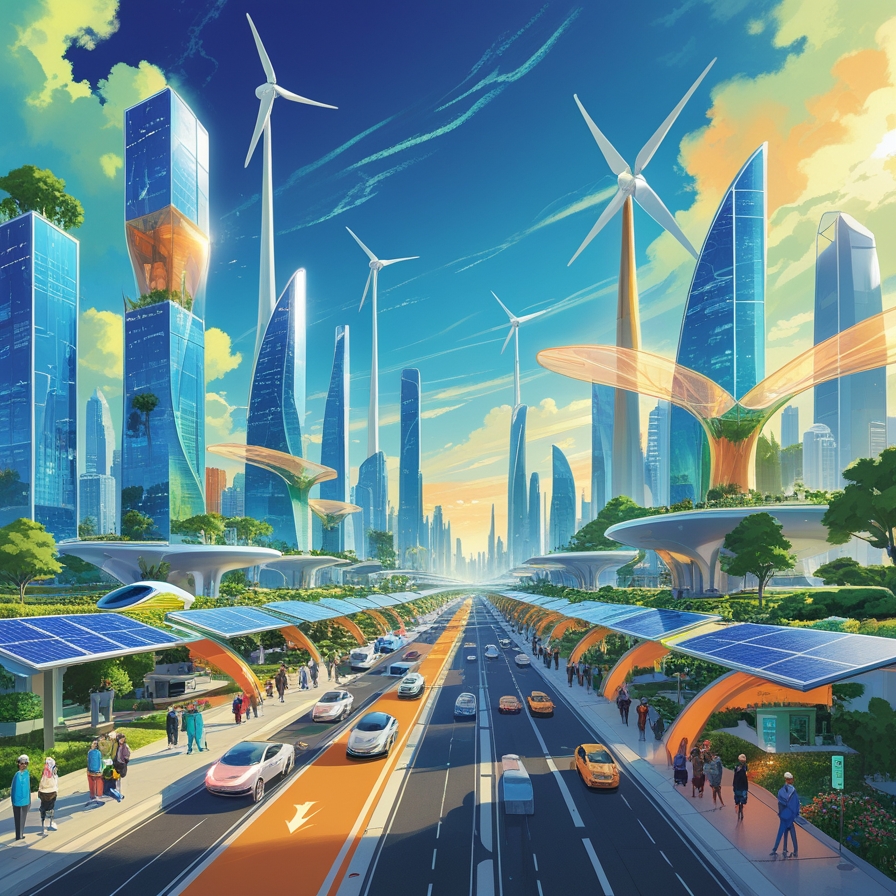
Future Green Technology: Pioneering a Sustainable Tomorrow
As the world grapples with the ever-increasing challenges posed by climate change, resource depletion, and environmental degradation, the need for future green technology has never been more urgent. This field represents a convergence of innovative solutions designed to reduce human impact on the environment while promoting sustainability. The promise of future green technology lies in its ability to transform industries, economies, and everyday life by integrating eco-friendly practices and cutting-edge advancements.
The Evolution of Green Technology
Green technology, often referred to as clean technology or environmental technology, has evolved significantly over the past few decades. Initially, it focused on pollution control and waste management. However, the scope of green technology has expanded to encompass a wide range of solutions aimed at reducing carbon footprints, conserving energy, and promoting sustainable development.
The future of green technology is characterized by a shift from reactive to proactive approaches. Instead of merely mitigating environmental damage, future green technologies aim to prevent it. This paradigm shift is driven by a growing awareness of the finite nature of our planet's resources and the need for sustainable practices that ensure long-term ecological balance.
Renewable Energy: The Backbone of Future Green Technology
One of the most critical components of future green technology is renewable energy. As the world transitions away from fossil fuels, renewable energy sources like solar, wind, hydro, and geothermal power are becoming increasingly vital. These technologies offer the promise of clean, inexhaustible energy that can power our homes, industries, and transportation systems without contributing to greenhouse gas emissions.
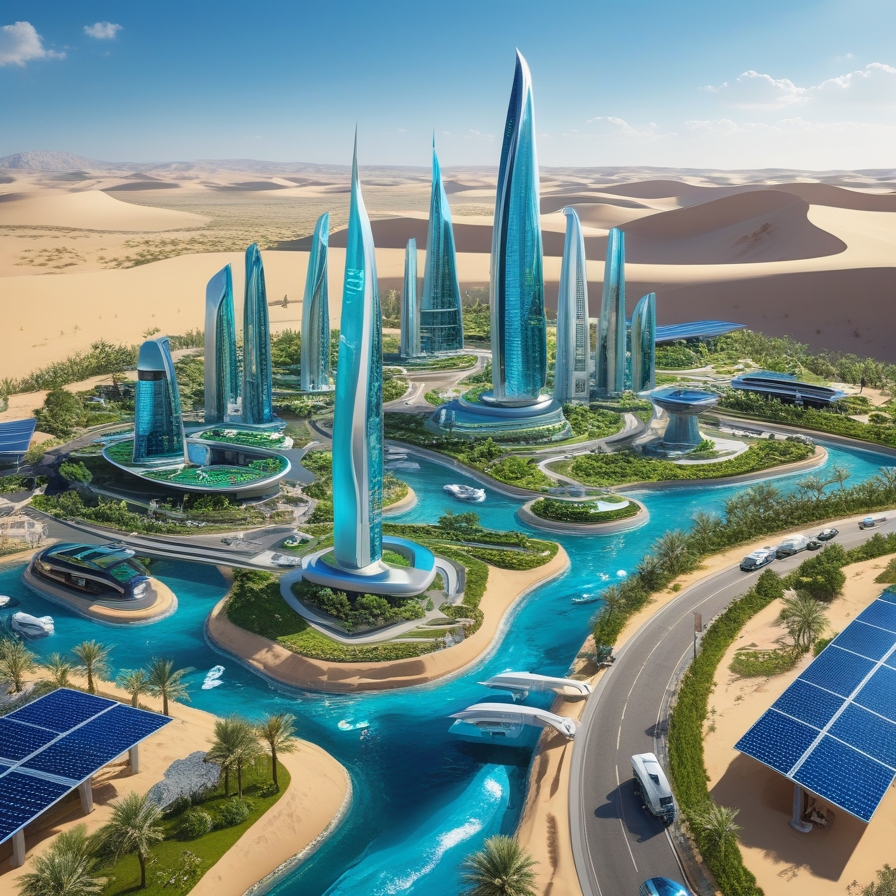
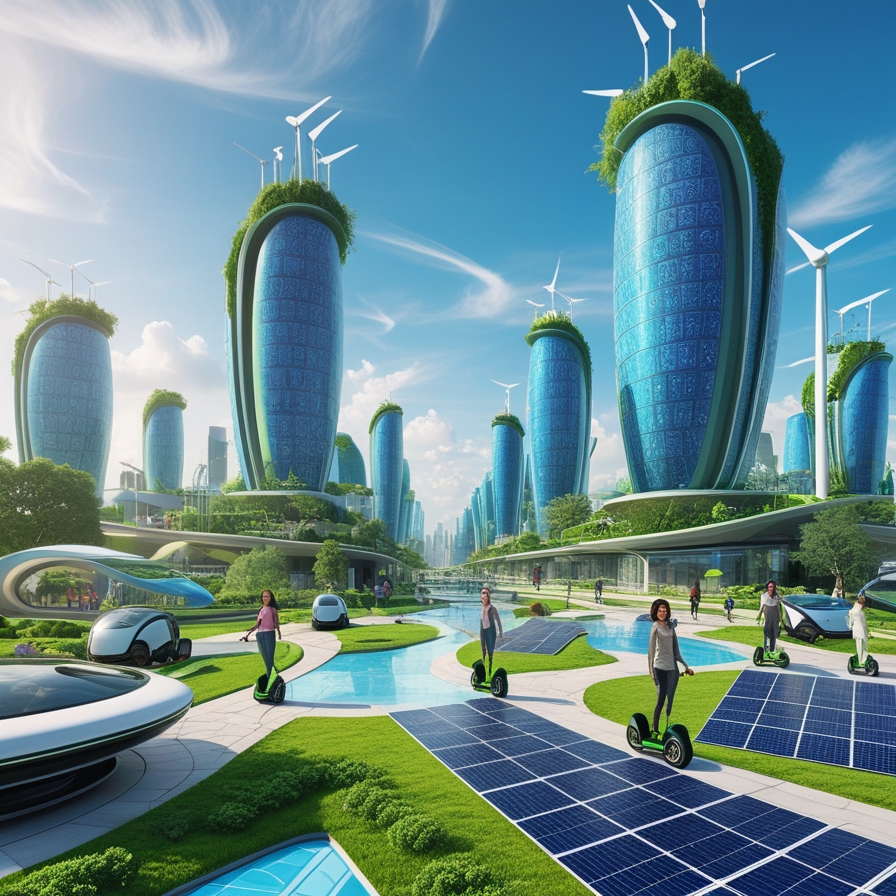
Solar energy, in particular, is expected to play a central role in the future of green technology. Advances in photovoltaic (PV) cells, energy storage systems, and grid integration are making solar power more efficient and accessible than ever before. The development of floating solar farms, solar roads, and building-integrated photovoltaics (BIPV) are just a few examples of how solar technology is being integrated into various aspects of modern life.
Wind energy is another key player in the renewable energy landscape. The future of wind technology lies in the development of more efficient turbines, offshore wind farms, and hybrid systems that combine wind and solar power. These innovations are expected to significantly increase the contribution of wind energy to the global energy mix.
Hydropower and geothermal energy, though less prominent than solar and wind, also hold great potential for future green technology. Advances in small-scale hydropower systems and enhanced geothermal systems (EGS) are expanding the possibilities for these renewable energy sources, making them more adaptable to different geographical and environmental conditions.
Energy Efficiency and Smart Grids
While renewable energy is crucial, future green technology also emphasizes the importance of energy efficiency. Reducing energy consumption through smart technologies and innovative design is a fundamental aspect of sustainability. Smart grids, for example, are poised to revolutionize the way we manage and distribute energy.
A smart grid is an electricity network that uses digital technology to monitor and manage the flow of electricity from generation to consumption. By integrating renewable energy sources, energy storage systems, and demand response mechanisms, smart grids can optimize energy usage, reduce wastage, and enhance the reliability of the power supply. The development of smart meters, energy management systems, and advanced sensors are key components of this future technology.
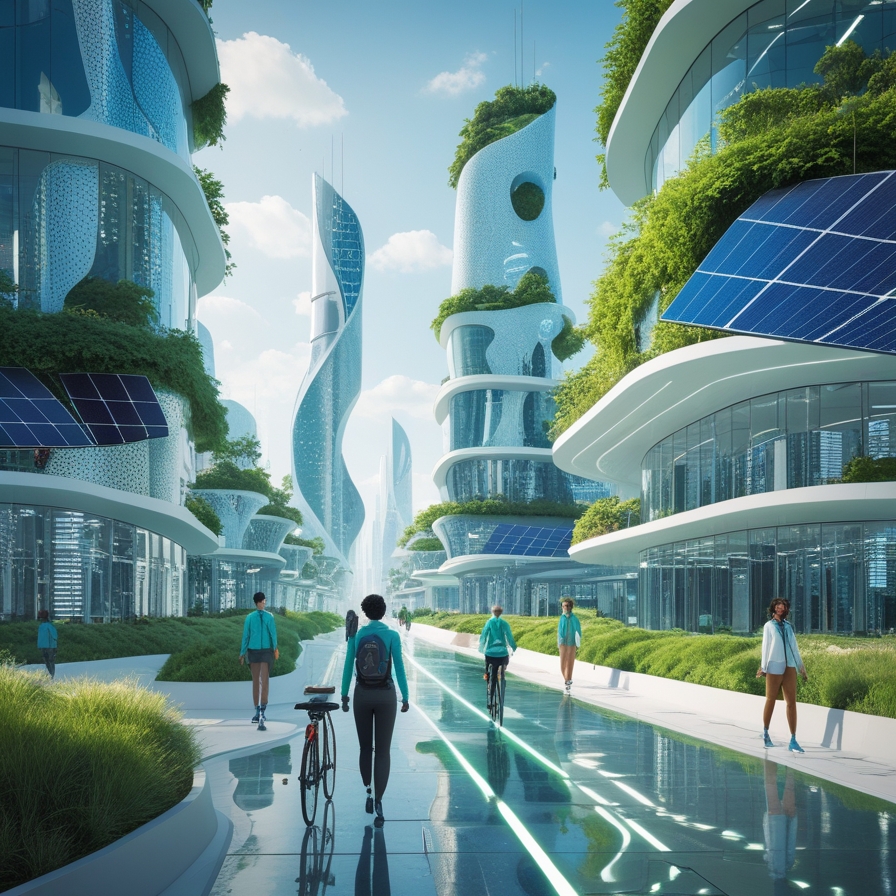
Energy-efficient buildings are another critical area of focus. The construction industry is undergoing a transformation as architects and engineers incorporate sustainable design principles into their projects. Future green buildings will utilize advanced insulation materials, energy-efficient lighting, and heating systems, as well as intelligent building management systems that automatically adjust energy usage based on real-time data.
Green Transportation: The Road to a Sustainable Future
Transportation is one of the largest contributors to greenhouse gas emissions, making it a focal point for future green technology. The transition to electric vehicles (EVs) is already underway, but the future holds even more promising developments in this sector.
The next generation of electric vehicles will be more affordable, efficient, and accessible. Advances in battery technology, such as solid-state batteries and fast-charging systems, will address the current limitations of EVs, making them a more viable option for a broader range of consumers. Additionally, the integration of renewable energy sources into the EV charging infrastructure will further reduce the carbon footprint of transportation.
Hydrogen fuel cells are another promising technology for green transportation. Unlike traditional batteries, which store energy, hydrogen fuel cells generate electricity through a chemical reaction between hydrogen and oxygen. This technology offers the potential for longer driving ranges and shorter refueling times, making it an attractive option for heavy-duty vehicles and long-haul transportation.
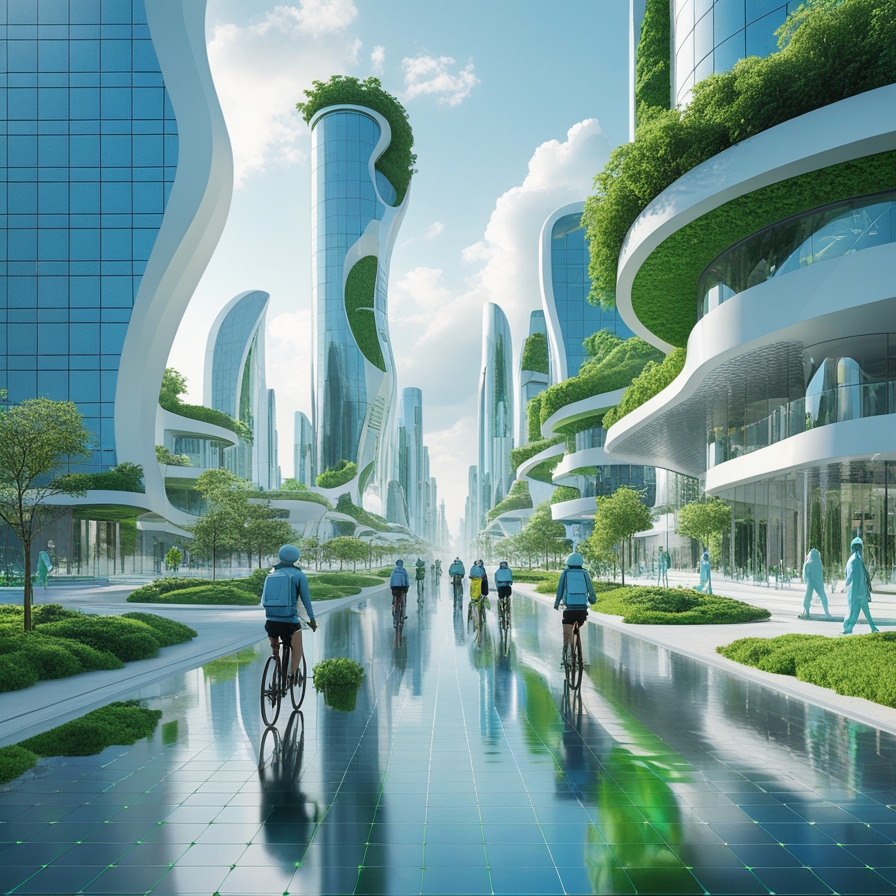
Public transportation systems are also set to benefit from future green technology. The development of autonomous electric buses, smart traffic management systems, and high-speed rail networks are just a few examples of how technology is being used to create more efficient and sustainable transportation options.
Circular Economy: Redefining Resource Management
The concept of a circular economy is gaining traction as a cornerstone of future green technology. Unlike the traditional linear economy, which is based on a "take-make-dispose" model, a circular economy aims to keep resources in use for as long as possible by promoting recycling, reusing, and remanufacturing.
Future green technology will play a critical role in enabling the circular economy. Innovations in material science, for example, are leading to the development of biodegradable plastics, sustainable packaging, and eco-friendly building materials. These advancements reduce the environmental impact of products and materials while extending their lifecycle.
Waste-to-energy technologies are another important aspect of the circular economy. By converting waste materials into energy, these technologies provide a sustainable solution for managing waste while generating renewable energy. The future of waste-to-energy technology lies in the development of more efficient and scalable systems that can be integrated into urban and industrial settings.
Additionally, the rise of the sharing economy is expected to contribute to the circular economy by promoting the efficient use of resources. Platforms that facilitate car-sharing, bike-sharing, and the rental of goods and services are reducing the demand for new products and encouraging more sustainable consumption patterns.
Green Technology in Agriculture: Feeding the Future
Agriculture is another sector that is set to benefit from future green technology. As the global population continues to grow, the demand for food is increasing, putting pressure on the environment and natural resources. Future green technology offers solutions to these challenges by promoting sustainable farming practices, improving crop yields, and reducing the environmental impact of agriculture.
Precision agriculture is one of the most promising developments in this field. By using sensors, drones, and satellite imagery, farmers can monitor crop health, soil conditions, and weather patterns in real-time. This data-driven approach allows for more efficient use of water, fertilizers, and pesticides, reducing waste and minimizing the environmental impact of farming.
Vertical farming is another innovative approach that is gaining traction. By growing crops in stacked layers within controlled environments, vertical farms can produce food using less land, water, and energy than traditional farming methods. This technology is particularly well-suited to urban areas, where space is limited, and the demand for fresh produce is high.
Sustainable livestock farming is also an important aspect of future green technology. Innovations in animal feed, waste management, and energy efficiency are helping to reduce the environmental footprint of livestock production. Additionally, the development of lab-grown meat and plant-based alternatives offers the potential to meet the growing demand for protein while minimizing the impact on the environment.
The Role of Green Technology in Climate Change Mitigation
Climate change is one of the most pressing challenges of our time, and future green technology is poised to play a crucial role in mitigating its effects. Carbon capture and storage (CCS) technologies, for example, are being developed to capture carbon dioxide emissions from power plants and industrial facilities and store them underground. While still in the early stages of development, CCS has the potential to significantly reduce greenhouse gas emissions and slow the pace of global warming.
Renewable energy technologies, as previously mentioned, are also critical to climate change mitigation. By replacing fossil fuels with clean energy sources, we can reduce the amount of carbon dioxide released into the atmosphere and limit the rise in global temperatures.
In addition to reducing emissions, future green technology will also focus on adapting to the impacts of climate change. This includes the development of resilient infrastructure, advanced weather forecasting systems, and sustainable water management practices. These technologies will help communities and ecosystems adapt to changing climate conditions, minimizing the damage caused by extreme weather events and rising sea levels.
Challenges and Opportunities in Future Green Technology
While the potential of future green technology is immense, there are also significant challenges to overcome. One of the primary obstacles is the cost of developing and deploying new technologies. Many green technologies require substantial upfront investment, which can be a barrier to widespread adoption, particularly in developing countries.
Another challenge is the need for supportive policies and regulations. Governments play a critical role in promoting green technology through incentives, subsidies, and regulations that encourage sustainable practices. However, inconsistent or insufficient policy support can hinder the growth of green technology and slow the transition to a sustainable future.
Despite these challenges, the opportunities presented by future green technology are vast. As the global demand for sustainable solutions continues to grow, there is significant potential for economic growth, job creation, and environmental preservation. Companies and entrepreneurs who invest in green technology today are likely to be at the forefront of tomorrow's economy.
The Future is Green
The future of green technology is bright, with endless possibilities for innovation and progress. As we continue to develop and refine these technologies, we move closer to a world where sustainability is not just an ideal but a reality. By embracing future green technology, we can create a more sustainable, resilient, and prosperous future for all.